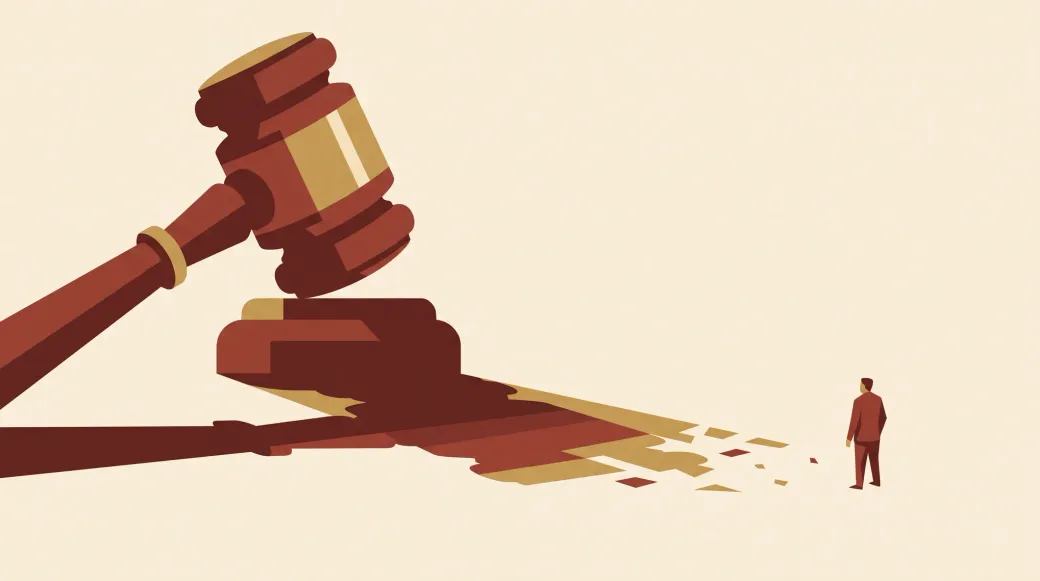
The 2015 FIFA indictments ended in almost nothing
Football's biggest corruption case ended in acquittals and dismissals, not because the facts fell apart but because the law and the prosecutors changed.
Analysis
Who governs football and on what authority: regulations, courts, and the decisions taken a long way from the pitch.
Football is a sport, but it is also a power structure with its own institutions, courts and rules. FIFA governs the game globally, but UEFA controls European football with an autonomy that EU courts have begun to question. The Super League ruling made clear that UEFA cannot veto rival competitions without submitting to competition law. Meanwhile, LaLiga has acquired unprecedented technological powers: a court ruling allows it to block entire IP addresses during matches, affecting hundreds of thousands of legitimate websites. And the 2015 FIFA case, which charged forty-one individuals and entities, ended in 2026 in acquittals and dismissals, with nothing inside football stepping in to replace that enforcement. In this section we analyse who makes the decisions, on what authority, and what happens when that authority is challenged.
Football's biggest corruption case ended in acquittals and dismissals, not because the facts fell apart but because the law and the prosecutors changed.

The EU and Spanish courts both ruled against UEFA. Then Real Madrid settled in February 2026 and the project ended. Winning was not enough.

The pyramid says FIFA, UEFA, federations, clubs. In practice power sits with EU courts, an 800-club body and the leagues writing spending rules.

UEFA's Article 5 bans one owner controlling two clubs in the same competition. Crystal Palace lost at CAS in 2025. Why the rule keeps producing arbitrary outcomes.

A Spanish court lets LaLiga block entire Cloudflare IPs on matchdays. Over 500,000 domains were caught in 2026, including this site's own.