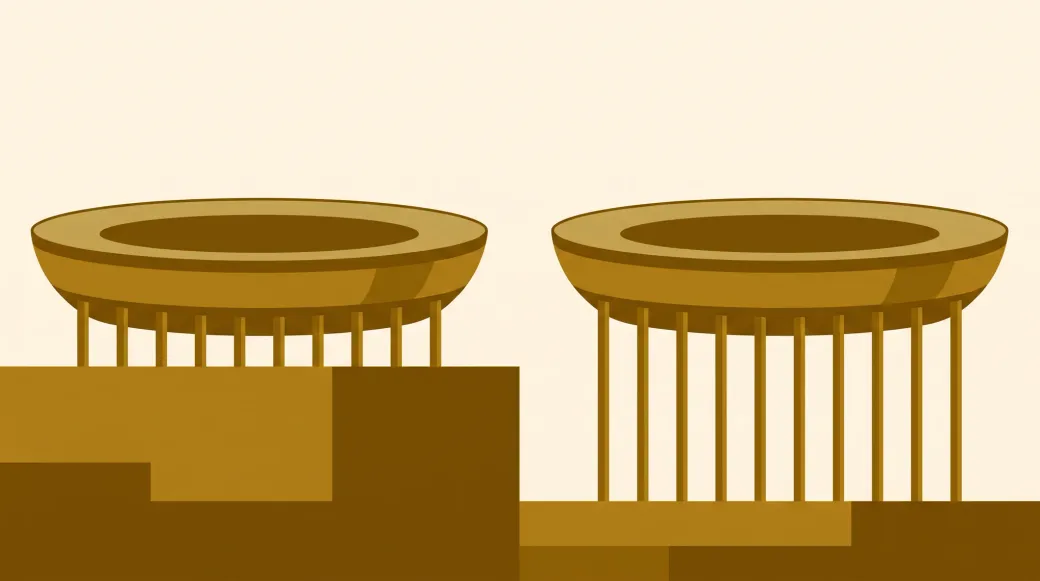
Both clubs sold their stadium's future. Only one timed it right
Real Madrid and Barcelona financed their rebuilds the same way: by pledging revenue the stadium had not yet earned. Four years apart, that made all the difference.
Analysis
Where football's money actually flows: broadcasting rights, transfer fees, amortisation and agents' commissions.
Football's money is not distributed evenly. Broadcasting rights are the largest revenue source for most European clubs, but how they are shared varies dramatically from one league to another: LaLiga uses a model that favours the big clubs, while the Premier League opts for a more egalitarian split. Transfers, far from being simple sales, work as complex financial operations where accounting amortisation determines how much salary cap headroom each signing consumes. And agents' commissions, whose FIFA cap was suspended by the courts before it ever bit, reached USD 1.37 billion in 2025. In this section we follow the money from source to destination, using the official figures that are rarely seen together.
Real Madrid and Barcelona financed their rebuilds the same way: by pledging revenue the stadium had not yet earned. Four years apart, that made all the difference.
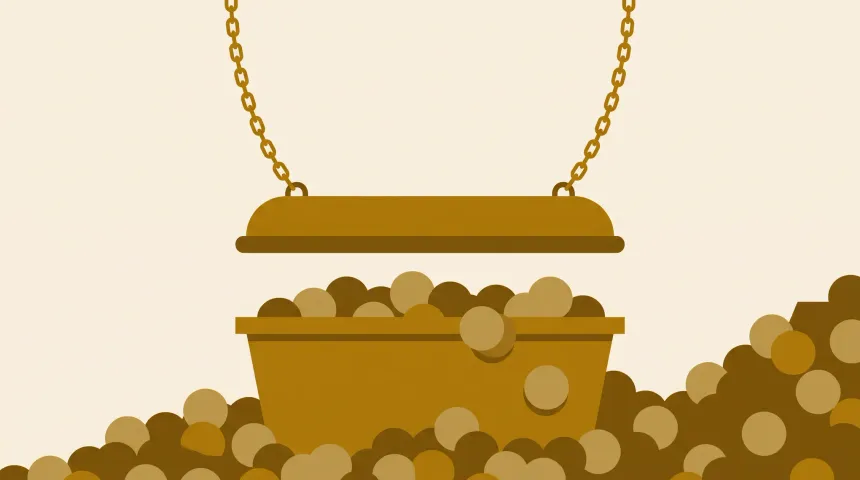
FIFA capped agent commissions, courts suspended the cap, and fees rose more than 90% to a record. In July 2026 the EU Court said the cap was lawful after all.
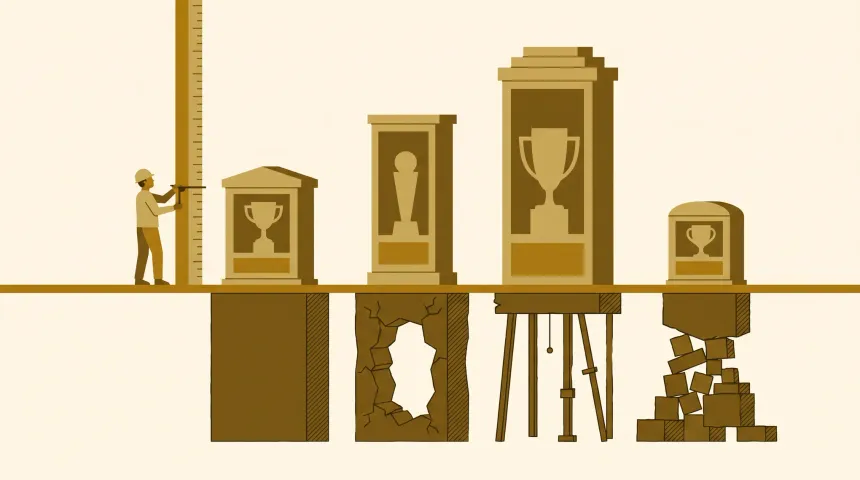
Real Madrid topped the 2026 edition with €1,161m and the top 20 passed €12bn. What the ranking measures, what it leaves out, and why it matters.
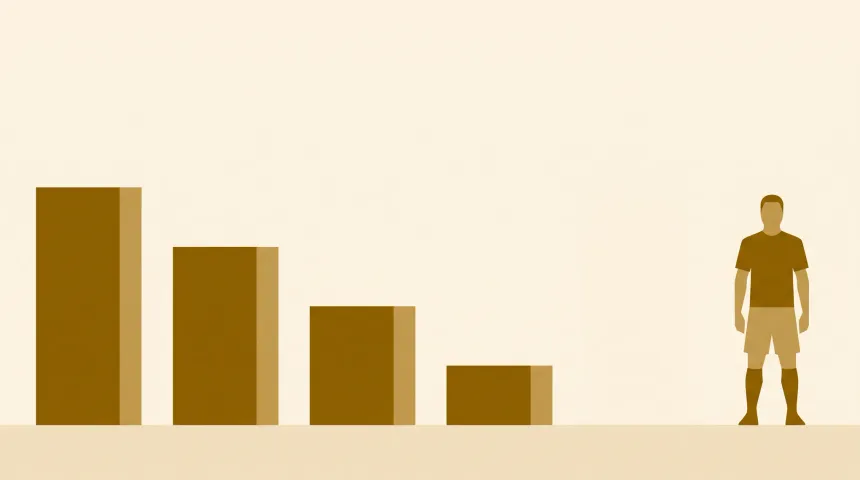
Transfer fees are spread across the contract. Academy players cost nothing to acquire, so their book value is zero and the whole sale price counts as profit.

Spanish law caps the gap between the richest and poorest club at 3.5x. England has no such law and lands at 1.6x. Why the stricter rule produces the wider gap.